FREE SHIPPING OVER $250
SHIPS IN 1 BUSINESS DAY
SECURE CHECKOUT
LAB TESTED 99%+

In Stock
TB-500
10mg
$79.00
1
60-Day GuaranteeLab-TestedShips In 1 Day
Overview
Actin Regulation & Cytoskeletal Remodeling
TB-500 is a focus for researchers studying cellular structure and motility. As a fragment of thymosin beta-4, it is investigated for its capacity to bind G-actin and regulate the polymerization of the cytoskeleton. Studies use TB-500 to examine how actin sequestration influences cell migration, shape change, and the remodeling processes central to tissue repair in cellular models.
Angiogenesis & Vascular Formation
In regenerative research, TB-500 is investigated for its role in new vessel formation. Researchers study how the peptide promotes endothelial cell migration and the development of vascular networks, examining its contribution to the angiogenic processes that support tissue recovery in preclinical models.
Cell Migration & Tissue Repair
Recent studies have utilized TB-500 to investigate systemic tissue restoration. Its low molecular weight and high mobility allow researchers to examine how the peptide distributes through tissues and influences fibroblast activity, collagen organization, and the rate of repair across various injury models.
Supplied as a purified, lyophilized powder, it is intended strictly for laboratory research; it is not for human or veterinary administration.
For research use only.
testimonials
loved by thousands
of customers

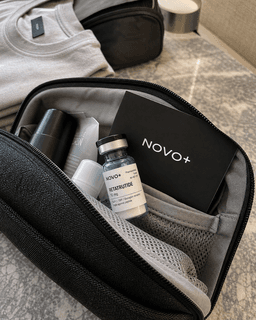
“Certificates matched the lot on every vial. That transparency is why I keep reordering.”

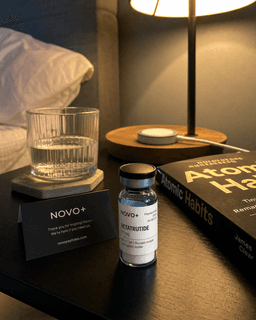
“Fast domestic shipping and the cold-chain packing arrived intact. Exactly as described.”

“The HPLC report was easy to cross-check by batch number. No guesswork at all.”
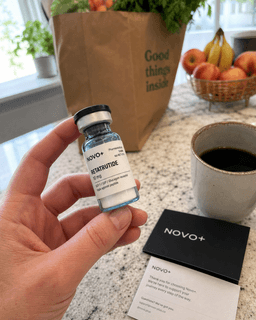
“Purity was consistent across three separate orders. Reproducibility I can trust.”
“Support answered a reconstitution question within hours — a real specialist, no bots.”
“Clear labeling and accurate dosing. Everything about the process felt professional.”
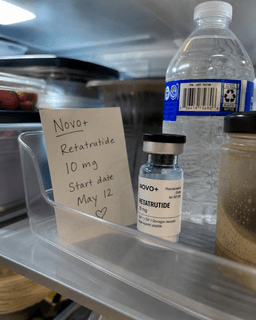
“Ordered Friday, testing Monday. The 1-business-day dispatch claim held up.”
“The on-chain COA record is a nice touch. Verifiable results, not just marketing.”
“Third-party lab data on every batch. This is how research supply should work.”
peptides
our best sellers
Our most popular peptides, in high-demand this year



verified coa's
99%+ Purity, Guaranteed
The most powerful weight loss peptide studied, with clinical trials showing up to 24% body weight reduction in 48 weeks.


4.9 / 5
Trusted by 150+ Customers